Phantom Blade Zero: Release Date, Combat, Story, Reviews, and Everything You Need to Know
By Jordan Vale · October 27, 2026
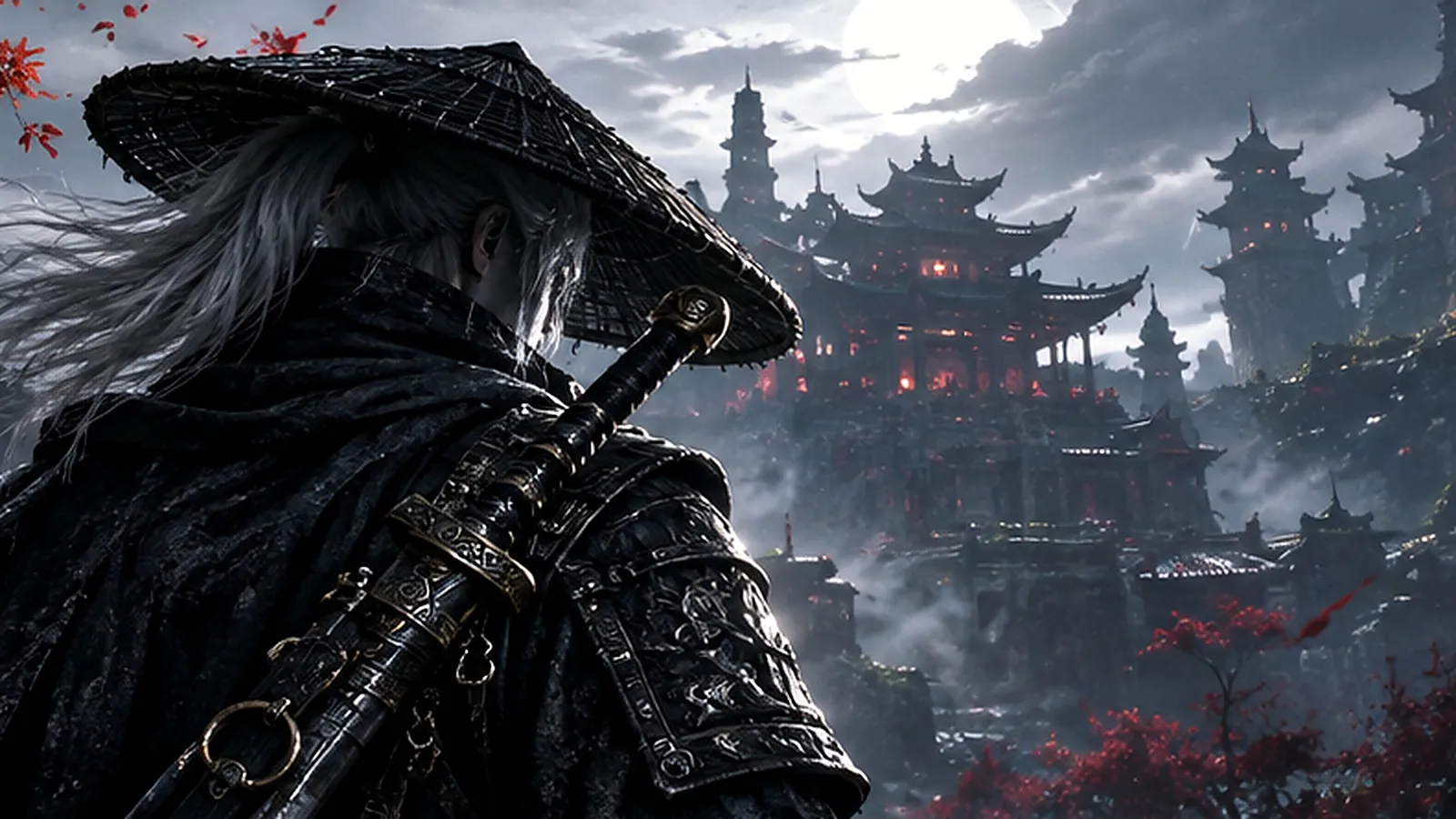
Some games announce themselves with a cinematic trailer. Phantom Blade Zero announced itself with sword fights that seemed almost too fluid to be real. Now, after years of striking gameplay demonstrations, S-GAME's dark martial arts action RPG is finally on the verge of release—and the first reviews suggest that its dazzling combat is more than just trailer magic.
Built in Unreal Engine 5, Phantom Blade Zero combines Chinese wuxia traditions, supernatural horror, elaborate weaponry, and the frenetic energy of classic kung fu cinema. It is also a game with an unusually clear identity: rather than becoming another enormous open-world adventure, it wants to make every duel feel like the climax of a martial arts movie.
Here's what you need to know about its launch, story, combat systems, world, and early critical reception.
Phantom Blade Zero Release Date and Platforms
Phantom Blade Zero officially launches October 29, 2026, with October 28 availability in the United States and select other regions. Steam's U.S. listing also displays October 28. The game is coming to PlayStation 5 and PC, with PC storefronts including Steam and the Epic Games Store. No Xbox version has been formally announced in the official launch lineup.
The game was previously scheduled for September 9, 2026. S-GAME moved the release to late October, explaining that the additional development time would allow it to improve character models, rework environments, and polish the experience before launch.
For an action game where timing and animation quality matter this much, that decision makes sense. Spectacular trailers create expectations; responsive controls and consistent performance are what have to fulfill them.
A Swordsman, a Betrayal, and Only 66 Days to Live
The story centers on Soul, an assassin who finds himself accused of murdering his master. Betrayed and hunted by the very martial order he once served, Soul survives a devastating injury—but his new lease on life comes with a brutal limitation: he has only 66 days left to live.
His search for answers becomes a race against death. Somewhere within the dangerous martial world known as the Wulin lies the truth about the conspiracy and, perhaps, a way to save himself. Along the way, former comrades, mysterious benefactors, and increasingly unnatural enemies complicate the line between loyalty and betrayal.
It's a classic wuxia setup given a darker edge: an isolated warrior, an elaborate conspiracy, a world that has lost its moral center, and a ticking clock. The most intriguing part isn't necessarily whether Soul can defeat his enemies. It's whether he can discover whom to trust before his borrowed time runs out.
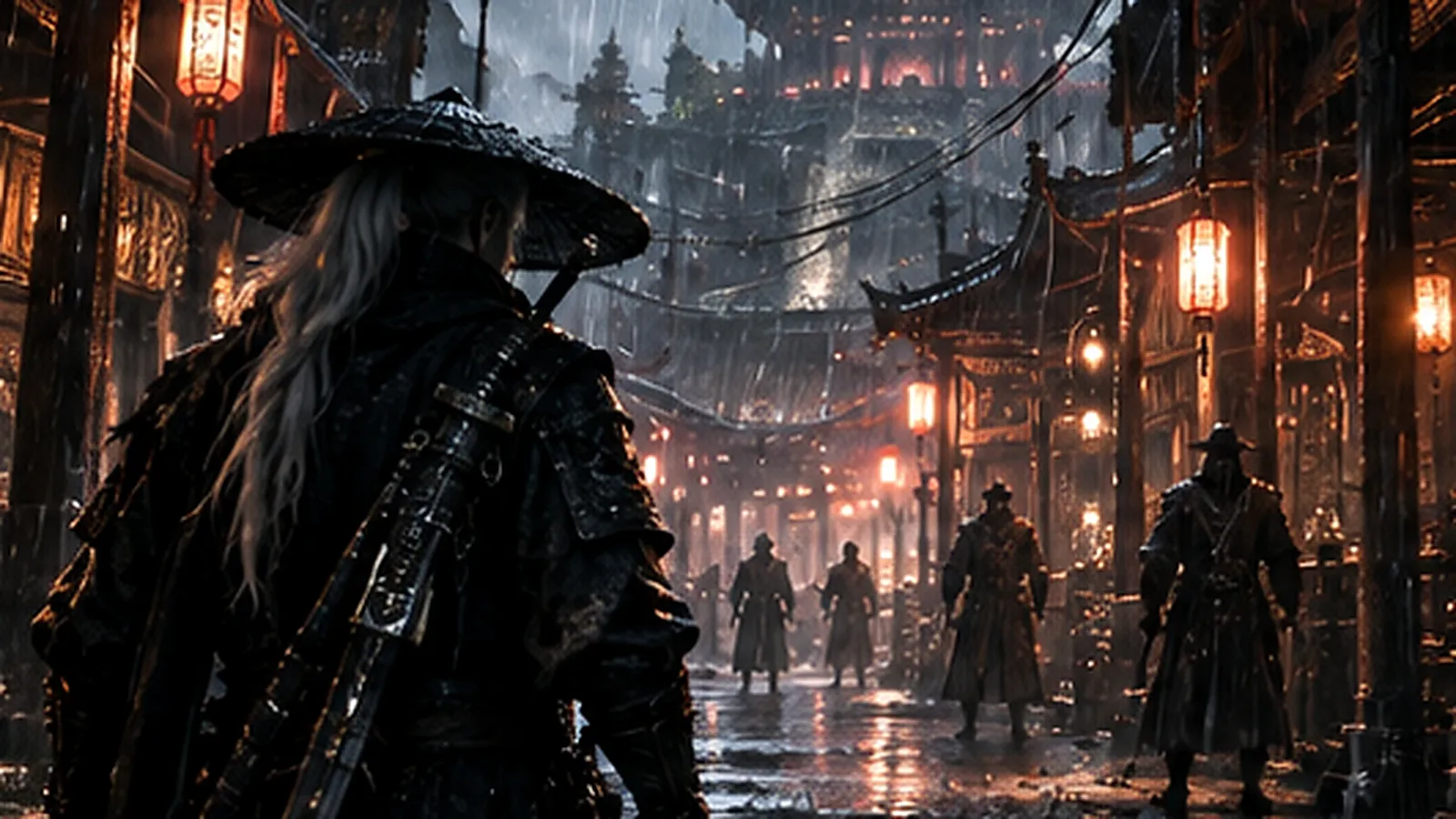
Combat That Looks Like a Kung Fu Film You Can Control
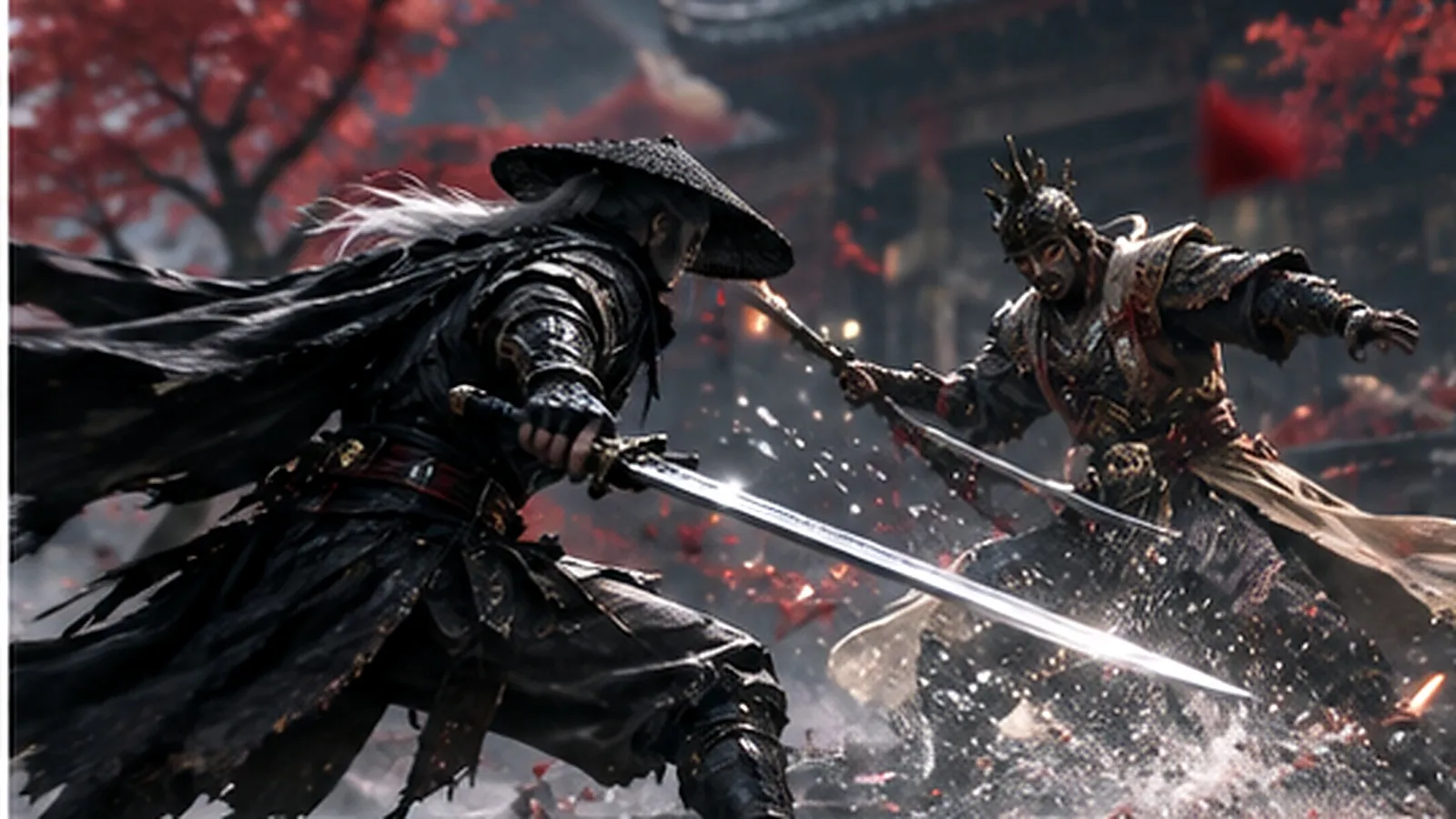
The obvious attraction is combat. Phantom Blade Zero emphasizes aggressive movement, rapid combinations, precise defensive timing, and flowing transitions between attacks. Soul can dodge, deflect, counter, and switch techniques in ways designed to make each battle look choreographed without removing the player's control.
That distinction matters. A combat system can look beautiful in a trailer yet feel shallow in practice. Here, the appeal comes from learning when to press forward, when to defend, and how to turn an enemy's opening into a devastating sequence. The game borrows the visual grammar of martial arts cinema—wide swings, sudden changes of direction, spectacular finishes—but builds interactive decisions around it.
It isn't purely about button-mashing, and it isn't only about patiently waiting for one safe attack. The intended rhythm is an exchange of momentum, with the player actively shaping how the fight unfolds.
More Than 30 Main Weapons and 25 Phantom Edges
S-GAME has described an unusually ambitious arsenal: more than 30 primary weapons and 25 secondary weapons called Phantom Edges. These aren't simply different damage numbers attached to otherwise identical swords. The revealed equipment includes distinct fighting styles and unusual tools that can dramatically change your approach.
The Drunken Sword style emphasizes evasive, seemingly unpredictable movement. The White Serpent and Crimson Viper pair enables rapid blade attacks, while the flexible Soft Snake Sword brings another type of reach and movement to combat. Other options shown include heavy striking weapons, iron fists, the powerful Tiger Cannon, and the fire-breathing Flaming Mane.
Weapons can be upgraded, and accessories help shape builds. S-GAME has also confirmed a reforge system that lets you recover invested materials and try a different setup. That's excellent news for players who love experimenting rather than permanently committing to the first weapon they upgrade.
The real test will be whether that variety stays meaningful dozens of hours into the adventure. Early reviews are encouraging: critics repeatedly single out the arsenal and boss encounters as two of the game's greatest strengths.
Is Phantom Blade Zero a Soulslike?
Not exactly—and that may be one of its greatest strengths.
You can see why comparisons to Sekiro: Shadows Die Twice, Nioh, and Black Myth: Wukong keep appearing. Phantom Blade Zero has formidable bosses, high-stakes melee battles, eerie environments, and rewards for learning enemy behavior. Yet its overall design draws just as strongly from fast-paced character-action games and cinematic martial arts combat.
The emphasis is on fluid offense and expressive weapon combinations rather than faithfully reproducing the traditional Souls formula. Difficulty settings also make the experience more flexible than the usual one-challenge-for-everyone approach.
If you love the precision of Sekiro but also enjoy the speed and spectacle of Devil May Cry, this hybrid approach could be exactly what makes Phantom Blade Zero special. Just don't go in assuming it plays like Elden Ring with a different setting.
A Dark Wuxia World That Isn't Another Giant Open Map
The game takes place in a connected, handcrafted world rather than a single seamless open-world sandbox. S-GAME has outlined eight regions with branching routes, secrets, optional encounters, side quests, and discoveries that reward players who investigate beyond the main path.
Expect decaying settlements, imposing temples, haunted-looking structures, dangerous forests, and strange mechanical inventions. Some environments evoke classic Chinese martial arts stories; others lean into grotesque fantasy and folk horror. It's a combination the developer calls "kungfupunk"—traditional wuxia fused with dark fantasy, industrial elements, and strikingly unconventional weapon designs.
That setting offers more than visual novelty. By keeping the regions interconnected and deliberately designed, S-GAME has the opportunity to make hidden passages, unusual enemies, and optional bosses feel like discoveries rather than checklist activities.
Difficulty Options: From Wayfarer to Sixty-Six Days
S-GAME has confirmed several ways to approach the challenge. Wayfarer is intended for players who want to experience the story and enjoy stylish combat without the harshest demands. Hellwalker raises the stakes with more sophisticated, adaptive enemy behavior rather than simply relying on inflated health bars.
Then there's Sixty-Six Days mode, which incorporates Soul's limited lifespan into the challenge: deaths reduce the number of days remaining. It's an especially compelling idea because it makes the central story premise matter mechanically, not just narratively.
These modes suggest that the studio wants different kinds of players to enjoy the same elaborate fighting system. Newcomers can focus on the spectacle; experienced action-game veterans can pursue demanding mastery.
Donnie Yen Brings Real Martial Arts Expertise
One of the project's biggest creative surprises is Donnie Yen, the martial artist and actor best known to many viewers for the Ip Man films. Yen has served as a creative consultant on Phantom Blade Zero and provides facial and motion capture for Mó Yuan, a character tied directly to Soul's story.
His involvement feels particularly appropriate for a game whose entire pitch depends on authentic-looking martial arts movement. S-GAME has made motion capture and action choreography central to its presentation, aiming for fights that carry the weight and clarity of actual stunt performances.
That influence is visible in the way attacks transition, bodies shift balance, and individual techniques tell a story through movement. The goal isn't merely to make a swordsman look cool. It's to make you feel as if you're directing the action yourself.
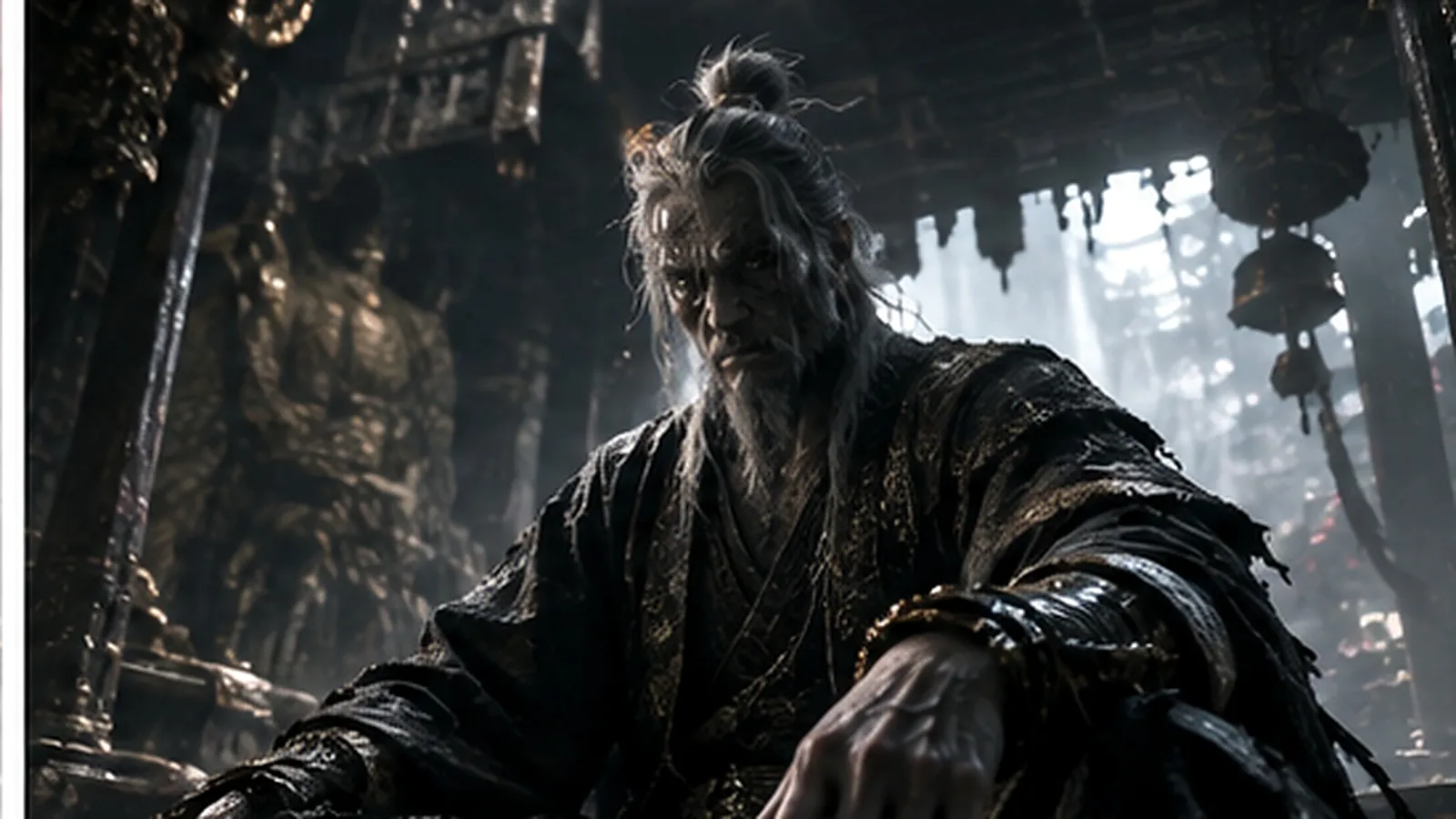
Early Phantom Blade Zero Reviews: Does It Live Up to the Hype?
With reviews arriving on October 26–27, 2026, the pre-release conversation has changed. This is no longer a game being judged only by promotional footage: critics have played substantial portions of the finished experience, and the initial response is strong.
At the start of review coverage, Phantom Blade Zero was reported at approximately 88 on Metacritic, although aggregate scores can move as additional reviews appear. IGN awarded it 9/10, VGC gave it 4/5, and Game Informer awarded it 9.5/10. Reviewers consistently praise the kinetic swordplay, plentiful weapons, memorable boss battles, and confident art direction.
Not every impression is glowing. Criticisms include uneven storytelling, occasional repetitive encounters, navigation frustrations, invisible barriers, and technical hiccups. GameSpot's 8/10 captures the broad consensus particularly well: thrilling combat, but not a flawless overall experience.
That balance is worth keeping in mind. Strong early reviews indicate S-GAME has delivered something exciting, but different players will have different tolerances for rough edges, especially when performance and pacing come into play. These are critics' impressions, not a hands-on review by Otaku Scrolls.
PC System Requirements and Performance Questions
PC players have good reason to look closely at the official specifications. For the developer's minimum 1080p/30 FPS target with upscaling, S-GAME lists a GTX 1660 6GB or Radeon RX 5500 XT 8GB, 16GB RAM, and an SSD, alongside an Intel Core i7-8700K or Ryzen 5 3600.
For its recommended 1440p/60 FPS target with upscaling, the listed GPUs are the RTX 3060 Ti 8GB or Radeon RX 6700 XT 12GB, with 16GB RAM and an Intel Core i5-10600K or Ryzen 5 5600X. More demanding ray-traced and path-traced configurations call for stronger hardware.
Those specifications are useful targets, not guarantees that every scene will run perfectly. Some reviewers have reported frame-rate dips and technical problems, so it's worth checking release-day patches and platform-specific performance coverage before choosing between PS5 and PC. The Steam listing also discloses Denuvo as third-party DRM, something PC buyers may wish to know in advance.
Editions, Price, and Preorder Bonuses
The Standard Edition costs $59.99 in the U.S., while the Digital Deluxe Edition costs $69.99 on PlayStation's U.S. store. The Deluxe package includes two exclusive cosmetic appearances, a digital artbook, and the digital soundtrack.
Preorders include early access to the Treasure Basin accessory—which increases Remnant Dust drops by 10%—and the Legacy appearance. Importantly, S-GAME says those preorder rewards can also be obtained through normal in-game progression, so they aren't content you must preorder to own eventually.
If you're undecided, waiting for launch-day performance reports and player impressions is a reasonable move. The previews and early reviews are promising enough that the game doesn't need artificial urgency to sell its appeal.
Is Phantom Blade Zero Worth Playing?
If you're drawn to stylish action, elaborate martial arts choreography, inventive boss battles, and gloomy fantasy worlds, Phantom Blade Zero deserves a place near the top of your watchlist. Its strongest selling point isn't the size of its world or the number of hours it promises. It's the possibility of combat so satisfying that every new opponent becomes a reason to keep playing.
There's still room for caution. Some critics found the narrative uneven, and the game's technical polish may vary by platform. But the early verdict is encouraging: the spectacular footage appears to be backed by a genuinely substantial action system.
After years of anticipation, Phantom Blade Zero no longer has to convince players that its fights look incredible. In just a matter of days, it gets to prove how incredible they feel.