Shonen vs. Seinen vs. Shojo vs. Josei: What's the Difference?
By Hana Sato
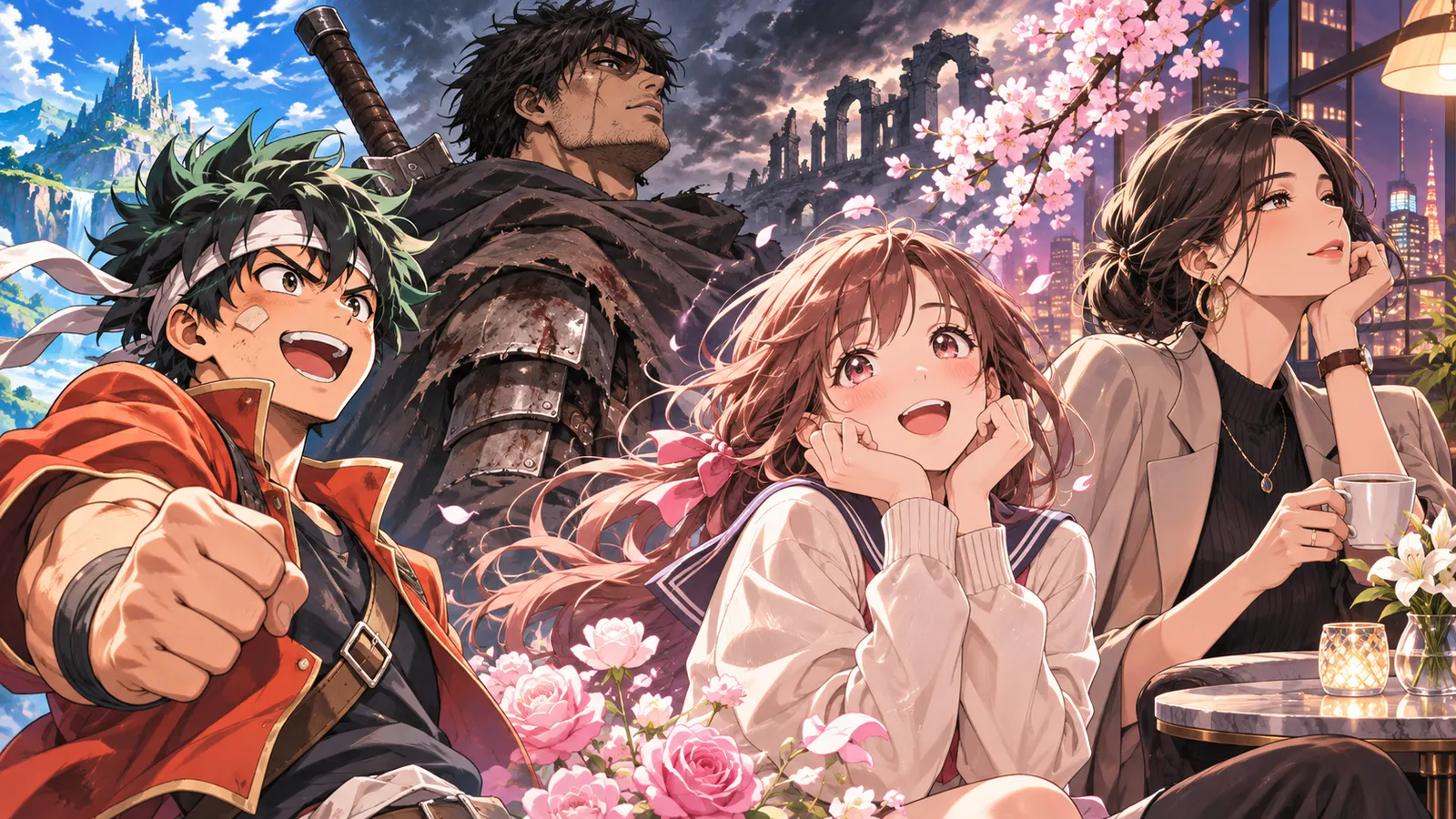
If you've spent any time exploring anime, you've probably seen shows described as shonen, seinen, shojo, or josei. Fans throw these labels around constantly, sometimes as shorthand for everything from explosive fights to heartbreaking romance. But what do they actually mean?
Here's the biggest thing to understand: shonen, seinen, shojo, and josei are audience demographics, not genres. They describe the readership that a Japanese manga publication traditionally targets. A demographic can influence the kinds of stories a publisher seeks out, but it does not dictate the plot, quality, or who is allowed to enjoy it.
That's why a brutal thriller can be shonen, a fantasy adventure can be shojo, and an adorable romantic comedy can be seinen. Let's break down all four labels, look at familiar anime examples, and clear up the misconceptions that keep confusing fans.
Shonen vs. Seinen vs. Shojo vs. Josei: Quick Comparison
| Demographic | Japanese | Traditionally targeted audience | Common associations | Example anime |
|---|---|---|---|---|
| Shonen | 少年 | Teen boys | Adventure, friendship, competition, growth | One Piece, Demon Slayer, Haikyu!! |
| Seinen | 青年 | Adult men | Psychological drama, complex themes, varied slice of life | Berserk, Monster, Vinland Saga |
| Shojo | 少女 | Teen girls | Relationships, emotional growth, romance, fantasy | Fruits Basket, Sailor Moon, Yona of the Dawn |
| Josei | 女性 | Adult women | Adult relationships, careers, identity, everyday life | Nodame Cantabile, Chihayafuru, Princess Jellyfish |
Those associations are patterns, not rules. The approximate ages people attach to these categories also vary by magazine, era, and publisher. They are marketing targets, not strict age ratings.
First, Understand the Difference Between a Genre and a Demographic
A genre tells you what kind of story you're getting: action, romance, horror, sports, mystery, fantasy, comedy, or something else. A demographic tells you which readership a manga was primarily marketed toward.
For traditionally serialized manga, the original Japanese magazine offers the strongest clue. Weekly Shonen Jump is a shonen publication. Hana to Yume is shojo. Monthly Afternoon is seinen. Kiss is josei. Digital platforms and original anime can be less straightforward, so not every title fits neatly into one of four boxes.
Think about how differently two action shows might approach their subjects. One might emphasize training, rivals, and getting stronger; another might focus on trauma, political consequences, and the cost of violence. Both could have spectacular action, but their genres alone would not determine their demographic.
Even more importantly, your age and gender do not have to match the intended audience. Millions of anime fans enjoy stories marketed to readers unlike themselves. The labels are useful for understanding publishing history, not for deciding what you're supposed to watch.
What Is Shonen Anime?
Shonen (sometimes spelled shounen) literally refers to boys or young males. In manga publishing, it generally describes works aimed primarily at younger male readers, especially teenagers.
Shonen is the most recognizable demographic internationally, thanks to the enormous reach of action-adventure franchises. Many famous shonen stories feature ambitious heroes, unforgettable rivalries, escalating challenges, and friendships forged under pressure. Watching a character improve through determination is part of the appeal.
But shonen doesn't automatically mean nonstop fighting. It can be funny, romantic, tragic, cerebral, or focused entirely on sports.
Popular shonen anime include:
- One Piece — A sprawling pirate adventure built around freedom, friendship, and impossible dreams.
- Naruto — A coming-of-age story about recognition, loneliness, rivalry, and perseverance.
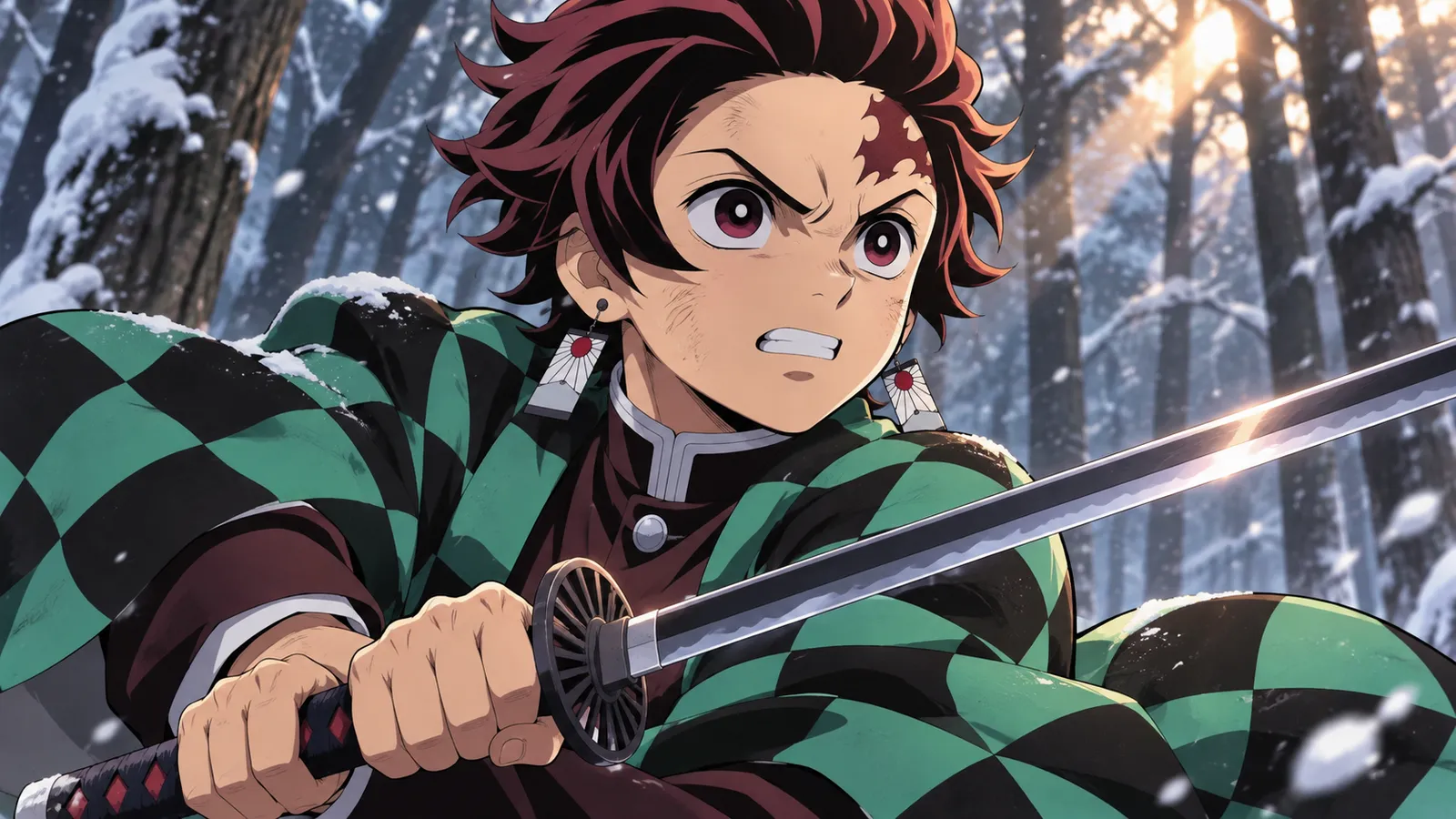
- Demon Slayer: Kimetsu no Yaiba — Spectacular sword fights grounded in family and grief.
- Jujutsu Kaisen — Supernatural action with brutal consequences and morally complicated characters.
- Haikyu!! — A volleyball series that delivers the intensity of a battle anime without supernatural powers.
- Death Note — A dark psychological battle of intelligence rather than physical strength.
That last example is especially important. Death Note ran in Weekly Shonen Jump. Its morally twisted characters and deadly mind games don't somehow turn it into seinen. Darkness is not a demographic.
What Is Seinen Anime?
Seinen generally means young man and refers to manga marketed primarily to adult male readers. Compared with shonen, seinen publications may give creators more room for slower pacing, morally ambiguous situations, or adult subject matter.
Some beloved seinen series are violent, philosophical, and emotionally exhausting. Others are gentle comedies about work, music, cooking, or everyday life. It is one of the most varied demographic categories, which makes it particularly easy to misunderstand.
Popular seinen anime include:
- Berserk — A devastating dark fantasy exploring trauma, ambition, survival, and companionship.
- Monster — A suspenseful psychological thriller about responsibility and the nature of evil.
- Vinland Saga — A Viking epic that examines violence, revenge, and the possibility of change.
- March Comes in Like a Lion — A compassionate drama about a young shogi player confronting isolation and finding connection.
- Kaguya-sama: Love Is War — A ridiculous, charming romantic comedy about two students too proud to confess their feelings.
- My Dress-Up Darling — A cosplay-centered romance that illustrates how far seinen can be from grim historical epics.
Yes, Kaguya-sama and Berserk belong to the same broad publishing demographic. If that sounds surprising, you're beginning to see why treating seinen as a genre doesn't work.
Seinen also isn't a guarantee of sophistication. A demographic label doesn't make a series better written or more intellectually demanding than a shonen, shojo, or josei story.
What Is Shojo Anime?
Shojo (also spelled shoujo) literally means girl and describes manga traditionally aimed at younger female readers, commonly teenagers.
Romance is an important part of shojo history, but reducing the entire demographic to love stories misses an enormous amount of excellent anime. Shojo can feature magical warriors, political intrigue, adventure, psychological suspense, comedy, and deeply complicated characters.
What many notable shojo stories share is a willingness to examine relationships, identity, vulnerability, and personal change. That emotional attention is a strength, not a limitation, and it doesn't exclude exciting action or high stakes.
Popular shojo anime include:
- Fruits Basket — A touching supernatural family drama about healing, acceptance, and belonging.
- Sailor Moon — A landmark magical-girl series combining romance, friendship, and battles against evil.
- Yona of the Dawn — A fantasy adventure in which a sheltered princess is forced to become a leader.
- Ouran High School Host Club — A playful romantic comedy that pokes fun at familiar character archetypes.
- Nana — An emotionally intense drama about two young women navigating friendship, music, love, and adulthood.
- Banana Fish — A harrowing crime thriller that shatters the idea that shojo has to be lighthearted.
Banana Fish is one of the strongest examples for challenging stereotypes: it's tense, violent, and tragic, yet its manga is a landmark shojo work. Meanwhile, Nana centers on adult characters and messy relationships but is still shojo, not josei, because of its original publishing context.

What Is Josei Anime?
Josei means woman or female and, in manga publishing, commonly refers to works aimed primarily at adult women. It often receives less attention in mainstream international anime discussions, but josei has produced some wonderfully distinctive stories.
Where shojo frequently explores coming-of-age experiences, josei may spend more time on the challenges of adulthood: uncertain careers, complicated partnerships, financial pressures, changing friendships, family expectations, and figuring out what a satisfying life looks like.
Still, josei isn't just realistic romance. There are energetic comedies, historical dramas, sports stories, and works filled with exaggerated humor. Its identity comes from the intended readership, not one mandatory storytelling style.
Popular josei anime include:
- Nodame Cantabile — An eccentric, funny, and heartfelt story about musicians balancing ambition and relationships.
- Chihayafuru — A thrilling competitive-karuta drama about dedication, rivalry, friendship, and love.
- Princess Jellyfish — A lovable comedy about geek culture, self-confidence, fashion, and finding a place in the world.
- Kids on the Slope — A coming-of-age music drama that uses jazz, friendship, and complicated feelings to tell a deeply human story.
- Showa Genroku Rakugo Shinju — A powerful period drama about traditional performance, artistic legacy, and relationships.
Chihayafuru is particularly good proof that josei does not mean romance only. Its competitive matches can be as thrilling as any sports anime. The characters may be young, but the original manga ran in the josei magazine BE LOVE. A protagonist's age doesn't decide the label.
If your anime watchlist is dominated by action-heavy shonen, josei is a fantastic place to look for a different kind of storytelling without sacrificing intensity or emotional payoff.
Five Anime That Prove These Labels Aren't Genres
The most memorable exceptions make the rules easier to understand:
- Death Note is shonen, not seinen. Its psychological warfare doesn't change the fact that it was published in Weekly Shonen Jump.
- Banana Fish is shojo, not seinen. Its crime-thriller story shows how dark and intense shojo can become.
- Kaguya-sama: Love Is War is seinen, not shojo. A romantic comedy set in high school can still originate in adult-male-targeted manga magazines.
- Nana is shojo, not josei. Adult protagonists and complicated relationships do not automatically change the demographic.
- Vinland Saga began as shonen and moved to seinen. The manga started in Weekly Shonen Magazine in 2005 before moving to Monthly Afternoon later that year.
That Vinland Saga history is especially revealing. Its shift in publication shows why magazine context matters more than trying to judge demographics from an anime's atmosphere or themes.

Does Seinen Mean More Mature Than Shonen?
Not necessarily. Seinen is marketed toward an older readership, which can make certain topics or levels of explicit content more common, but it is not an age rating or a quality ranking.
Attack on Titan, for example, is a shonen manga despite its disturbing violence and political complexity. On the other hand, some seinen stories are relaxing slice-of-life comedies with little violence at all.
A useful distinction is that mature content and mature storytelling aren't the same thing. Graphic violence does not automatically create a thoughtful story, just as a series suitable for younger viewers can still explore grief, discrimination, sacrifice, or moral uncertainty with real depth.
If you're trying to decide whether a particular anime is appropriate to watch, check its actual content warnings and regional age rating instead of relying on shonen or seinen labels.
Can Anyone Watch Shonen, Seinen, Shojo, or Josei?
Absolutely. These categories reflect the audience a publisher hoped to reach, not a restriction on who should enjoy the story.
A grown man can love Fruits Basket. A teenage girl can become obsessed with One Piece. Someone who usually watches psychological seinen can unexpectedly fall in love with a josei music drama. None of that is unusual, and exploring across demographics is one of the easiest ways to broaden your anime taste.
There are also other labels worth knowing. Kodomo (or kodomomuke) refers to works aimed at children. Meanwhile, terms such as isekai, mecha, slice of life, and magical girl describe genres, settings, or storytelling traditions rather than the same four-part audience classification.
How Do You Tell Which Demographic an Anime Belongs To?
Start with the original source material, not the appearance of the characters or how much violence the show contains.
- Find the original Japanese manga publication. A series from Weekly Shonen Jump is generally shonen; one from Hana to Yume is generally shojo.
- Check the publishing history. Some manga switch magazines, as Vinland Saga did, while individual magazines and digital platforms can have broader or changing readerships.
- Don't confuse English imprints with Japanese serialization. Localized branding doesn't always reflect the original magazine's audience classification.
- Be cautious with anime originals and light-novel adaptations. A show without an originating manga magazine may not have one clear, official demographic label.
That last point matters. Fans sometimes assign a demographic based on a show's vibe even when no traditional manga classification exists. It can be a useful informal description, but it isn't the same as verified publication history.
Frequently Asked Questions
Is shonen the same as battle shonen?
No. Battle shonen is a popular kind of action-focused shonen storytelling. Shonen also includes sports, comedy, romance, mystery, and other genres.
Is Attack on Titan shonen or seinen?
Attack on Titan is shonen. Its manga was serialized in Bessatsu Shonen Magazine, even though the story deals with disturbing violence, war, and politics.
Is Death Note shonen or seinen?
It's shonen. The original manga ran in Weekly Shonen Jump. Its dark psychological premise does not change that classification.
Is Nana shojo or josei?
Nana is shojo. Its manga appeared in the shojo magazine Cookie, despite following adult women and exploring adult relationships.
What is the main difference between shojo and josei?
Traditionally, shojo is marketed toward younger female readers while josei is marketed toward adult women. Both can include romance, fantasy, comedy, action, and emotionally complex drama.
Which demographic is best for beginners?
There's no universal winner. Try Demon Slayer for shonen action, March Comes in Like a Lion for thoughtful seinen drama, Fruits Basket for shojo emotion, or Princess Jellyfish for josei comedy. Follow your interests rather than treating the demographics as rules.
Final Thoughts: The Best Anime Doesn't Fit Into Just One Box
Understanding shonen vs. seinen vs. shojo vs. josei helps explain why certain series are marketed and discussed the way they are. It's also a reminder of just how much variety exists within anime and manga.
Shonen isn't always action. Seinen isn't automatically grim. Shojo isn't limited to romance. Josei isn't exclusively about adult relationships. Each demographic is a doorway to many different genres, not a genre of its own.
The best approach? Use these labels to discover something new, then let the actual story decide whether it's for you.