The Legend of Zelda: Ocarina of Time Remake Is a Masterpiece Again — Reviews, Scores, and What's New
By Alex Morgan · November 9, 2026
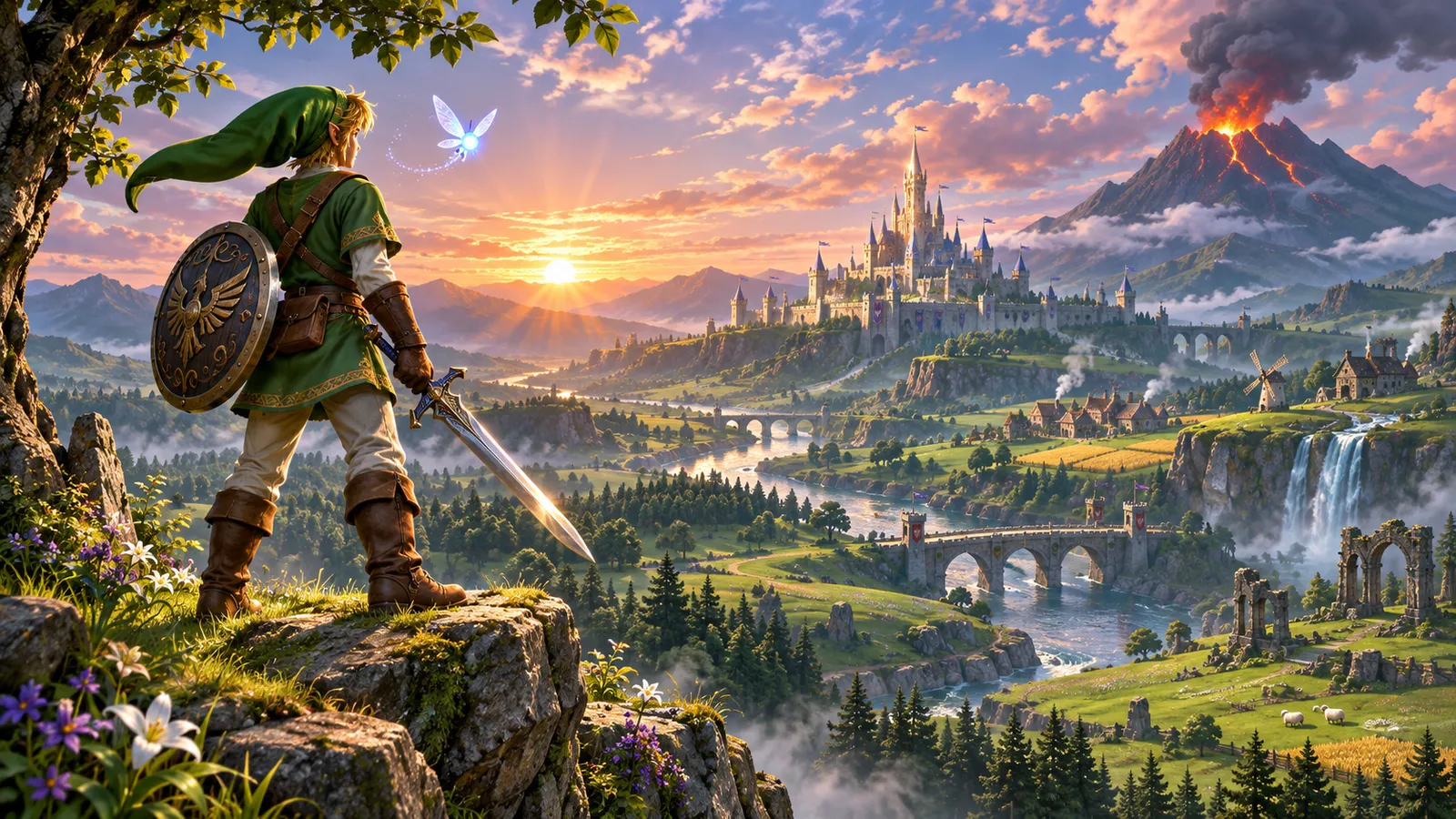
Nearly three decades after Link first stepped onto Hyrule Field, The Legend of Zelda: Ocarina of Time is making history all over again. Nintendo's long-awaited remake arrived on November 5, 2026, exclusively for the Nintendo Switch 2, and the critical reception suggests the magic of the 1998 original has survived the journey through time.
This is much more than a sharper version of the Nintendo 64 game. Nintendo rebuilt Hyrule's visuals, refreshed its controls, added voiced scenes and orchestral music, and introduced a handful of new features—all without replacing the adventure that made Ocarina of Time legendary.
So how good is the remake, really? What changed? And if you already know every corner of the Forest Temple, is there still a reason to return? Here's what you need to know, without major story spoilers.
Ocarina of Time Remake Review Scores: 96 on Metacritic, 95 on OpenCritic
The biggest headline is the extraordinary critical reception. As reported on November 9, the Ocarina of Time remake has a 96/100 on Metacritic. It has also been reported with a 95 Top Critic Average on OpenCritic. Both are elite scores, and the numbers may change as additional reviews are counted.
You can follow the current figure on the Ocarina of Time remake's Metacritic page. Early reports from Video Games Chronicle and Nintendo Life placed the remake at the top of Metacritic's 2026 games rankings. The 95 figure circulating in review roundups is associated with OpenCritic, not the verified Metacritic reports.
That puts the remake in remarkable company:
- Ocarina of Time (Nintendo 64, 1998): 99 on Metacritic.
- Breath of the Wild (Nintendo Switch, 2017): 97 on Metacritic.
- Ocarina of Time (Nintendo Switch 2, 2026): 96 on Metacritic in reports available November 9.
- Ocarina of Time 3D (Nintendo 3DS, 2011): 94 on Metacritic.
The original's near-mythical 99 Metascore remains the highest in Metacritic's video-game database. The fact that the remake is even close is a major achievement, particularly when players and critics have had 28 years to build expectations around the original.
Critics have been enthusiastic without being unanimous. VGC awarded the remake five out of five, praising its restrained modernizations, while Nintendo Life gave it 9/10 and noted that longtime players might wish for more surprises.
What Has Changed in the 2026 Ocarina of Time Remake?
Nintendo didn't simply improve the resolution. According to its official launch announcement, the Switch 2 edition includes completely overhauled visuals, voiced cutscenes, expanded dialogue, symphonic orchestral music, and reworked movement and camera controls.
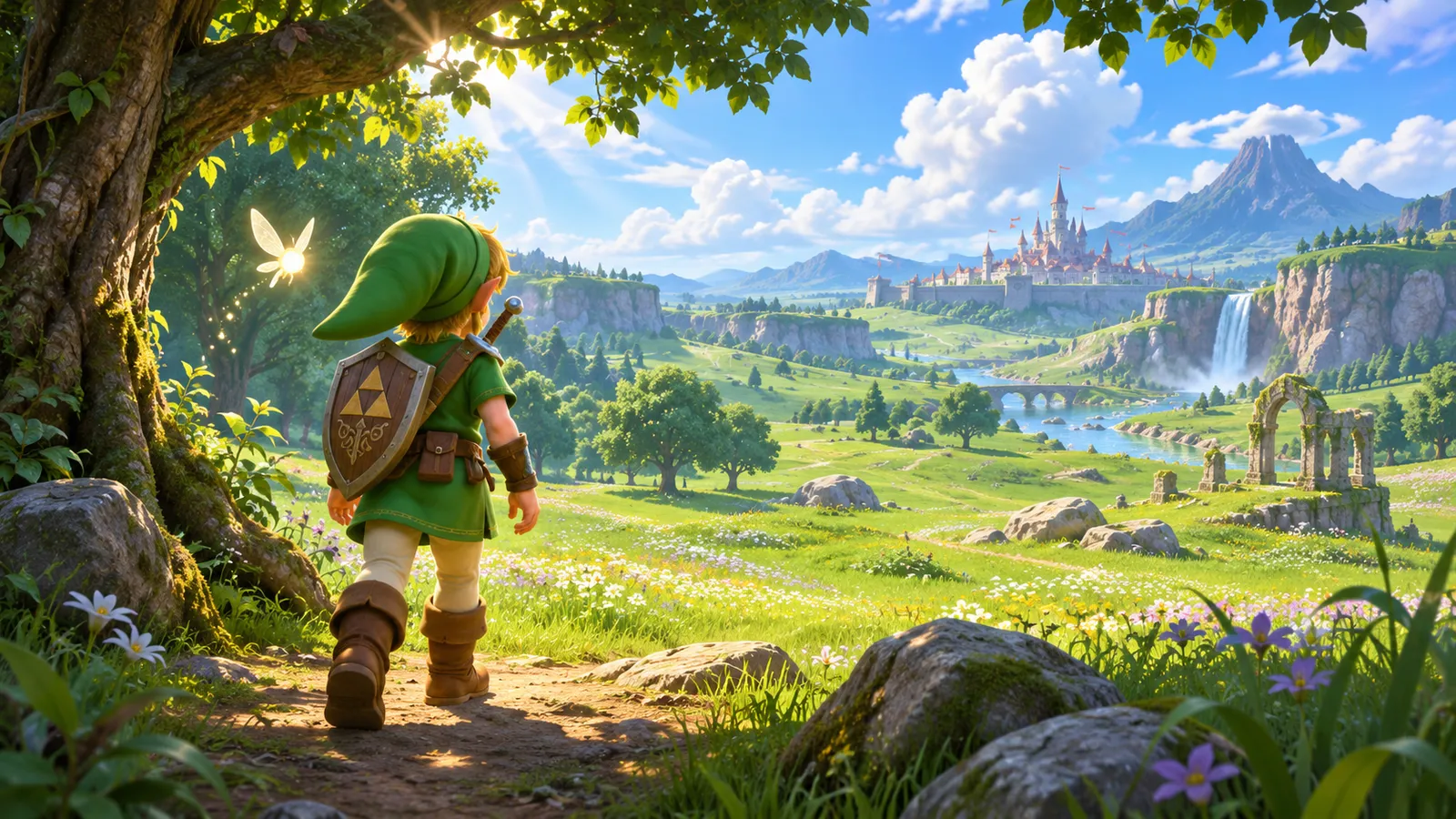
The most noticeable differences include:
- A fully rebuilt Hyrule: Kokiri Forest, Castle Town, Death Mountain, and the game's other iconic environments have been reconstructed with modern detail and lighting.
- Freely controlled camera movement: Looking around and lining up your next move feels far more natural than it did on Nintendo 64.
- Modern movement options: Link can now jump and dash using updated controls, rather than relying entirely on the original context-sensitive movement system.
- A richer presentation: Expanded cinematics, voice acting, and new character dialogue give familiar encounters more dramatic weight.
- Re-recorded orchestral music: The recognizable melodies remain, but they now have a much grander sound.
Reviews have also praised the smooth 60 fps presentation and 4K output on compatible displays. It's the kind of technical overhaul that can make a familiar world seem completely new, even when its geography is largely unchanged.
The Same Timeless Adventure, Not an Entirely Different Zelda
In an era defined by the enormous freedom of Breath of the Wild and Tears of the Kingdom, Ocarina of Time offers a different kind of adventure. Its Hyrule is more deliberately structured: you meet characters, collect tools, solve intricate puzzles, and gradually earn access to new places.
The premise remains wonderfully simple. A young boy named Link leaves the Kokiri Forest, becomes entangled in Ganondorf's plan to claim the Triforce, and begins a journey that spans two different periods of his life. Along the way, he befriends memorable characters and discovers the strange powers of his ocarina.
What made this structure influential in 1998 still works today. Acquiring a new item isn't just another upgrade; it changes how you think about the world. An apparently unreachable ledge, a mysterious symbol, or a locked passage may suddenly make sense hours later.
The remake keeps that sense of discovery intact. And for newcomers, that's arguably the most exciting part: there's no nostalgia required to appreciate a great dungeon, a clever environmental puzzle, or the feeling of finally discovering how two pieces of the world connect.
Are the Dungeons Different in the Remake?
The classic dungeons remain the backbone of the experience. The Forest Temple's eerie atmosphere, the Fire Temple's volcanic dangers, the Water Temple's layered puzzles, and the Shadow Temple's unsettling imagery all have distinct identities that modern action-adventure games still struggle to match.
Nintendo has made adjustments intended to remove some frustration rather than completely redesign these places. Game Informer's review discusses puzzle tweaks and streamlined elements, including changes in the Water Temple. That should make returning to certain rooms less tedious, even if veterans won't be facing entirely new dungeon layouts.
This approach has a trade-off. Players who want a bold alternate interpretation, a radically expanded map, or an entirely new set of temples may find the remake conservative. Players who want the original's identity preserved, with fewer decades-old annoyances, are likely to be very happy.
New Features Give Returning Players More to Discover
Although the main adventure is faithful, the remake isn't without additions. Nintendo has introduced the Hall of Fallen Foes, where you can revisit defeated enemies and take on rematches. It's a welcome extra for players who enjoy mastering combat encounters outside the normal flow of the story.
There are also fairy thoughts scattered throughout Hyrule, offering bits of local lore and additional flavor. These details may sound small, but they reward the kind of slow exploration that has always made Zelda special.
The ocarina itself has received an especially charming update. You can still play melodies with conventional button inputs, but the Switch 2's built-in microphone also lets you hum a learned song or play it on an actual instrument and have Link respond in-game. It's a playful feature that fits a game where music is part of the world rather than just background decoration.
Nintendo has also extended the ZELDA NOTES service in its smartphone app to Ocarina of Time. It includes progress summaries, location-discovery challenges, music-related activities, and a Zelda quiz. These are optional extras rather than requirements for completing the story.
Not everything fans might want has been added. In particular, Master Quest, the rearranged, more challenging dungeon version familiar to some returning players, isn't included at launch according to Nintendo Life's review. Veterans hoping for a dramatically harder experience should keep that in mind.
Why the Music and Story Still Matter
For many fans, the strongest memories of Ocarina of Time aren't simply boss fights or puzzles. They're the first ride across Hyrule Field, a melody played at just the right moment, or the shock of returning to a familiar place and finding that time has changed it.
That's why the orchestral score and improved cinematic presentation feel so important. Music is central to this game's identity: it is a means of communication, a puzzle-solving mechanic, a link to the past, and an emotional anchor. Updating the sound without losing the recognizable compositions helps the remake feel both new and unmistakably Ocarina of Time.
The new voice performances are more divisive. Some reviewers appreciate the additional storytelling detail, while others feel that fully voiced scenes alter the quieter atmosphere of the original. That's a matter of taste, but it also shows how carefully a remake must balance preservation with reinvention.
Is Ocarina of Time Remake Worth Buying on Switch 2?
For first-time players, absolutely worth considering. You don't need to play an earlier Zelda game, and the modernized controls make this an accessible entry point into the series' more traditional dungeon-driven formula. Nintendo explicitly describes it as a standalone adventure suitable for newcomers.
For returning players, the answer depends on what you want. If your favorite memories are discovering hidden passages, learning new songs, and watching Link grow into the Hero of Time, the rebuilt world and updated soundtrack offer a compelling reason to return. If you've replayed the original many times and mainly want unfamiliar dungeons, expect something more faithful than transformative.
The game is exclusive to Nintendo Switch 2. Nintendo lists the digital edition at $59.99 in the United States, while the physical edition launched at $69.99. This is a new Switch 2 remake, not a free visual upgrade to a Nintendo 64 or 3DS copy.
Ocarina of Time Remake FAQ
When was the Ocarina of Time remake released? November 5, 2026.
Is the remake only available on Nintendo Switch 2? Yes. Nintendo lists this rebuilt version as a Switch 2 exclusive.
What is the Ocarina of Time remake's Metacritic score? Recent reports, including November 9 coverage, put it at 96/100 on Metacritic. The frequently quoted 95/100 is its reported OpenCritic Top Critic Average. Aggregates can change as new reviews are added; check the Metacritic listing for the latest score.
Do you need to play previous Zelda games first? No. Ocarina of Time tells a self-contained story and is a great introduction to classic 3D Zelda.
Does the remake include Master Quest? Not at launch, according to Nintendo Life's review.
Is this the same as the Nintendo 3DS version? No. The 2011 3DS edition was an earlier remake. The 2026 Switch 2 edition features a more extensive visual and audio reconstruction, voiced scenes, and new controls and features.
The Verdict: A Legend That Hasn't Lost Its Magic
There was always a risk in remaking Ocarina of Time. Change too little and the result could feel unnecessary; change too much and you risk losing what made the original beloved. Nintendo has largely chosen the middle ground: recreate the world, improve how it feels to play, and trust the underlying design.
That decision appears to have paid off. With exceptional reviews and a place among 2026's critical standouts, the Ocarina of Time remake proves that great adventure design doesn't have an expiration date. For first-timers, it's an opportunity to discover why this Zelda became legendary. For returning fans, it's a chance to see the Hyrule they remember through new eyes.
And whether you're hearing Navi call out or drawing the Master Sword for the very first time, some journeys are worth taking again.