What Is Isekai Anime? Meaning, Origins, and Best Examples
By Haruka Mori
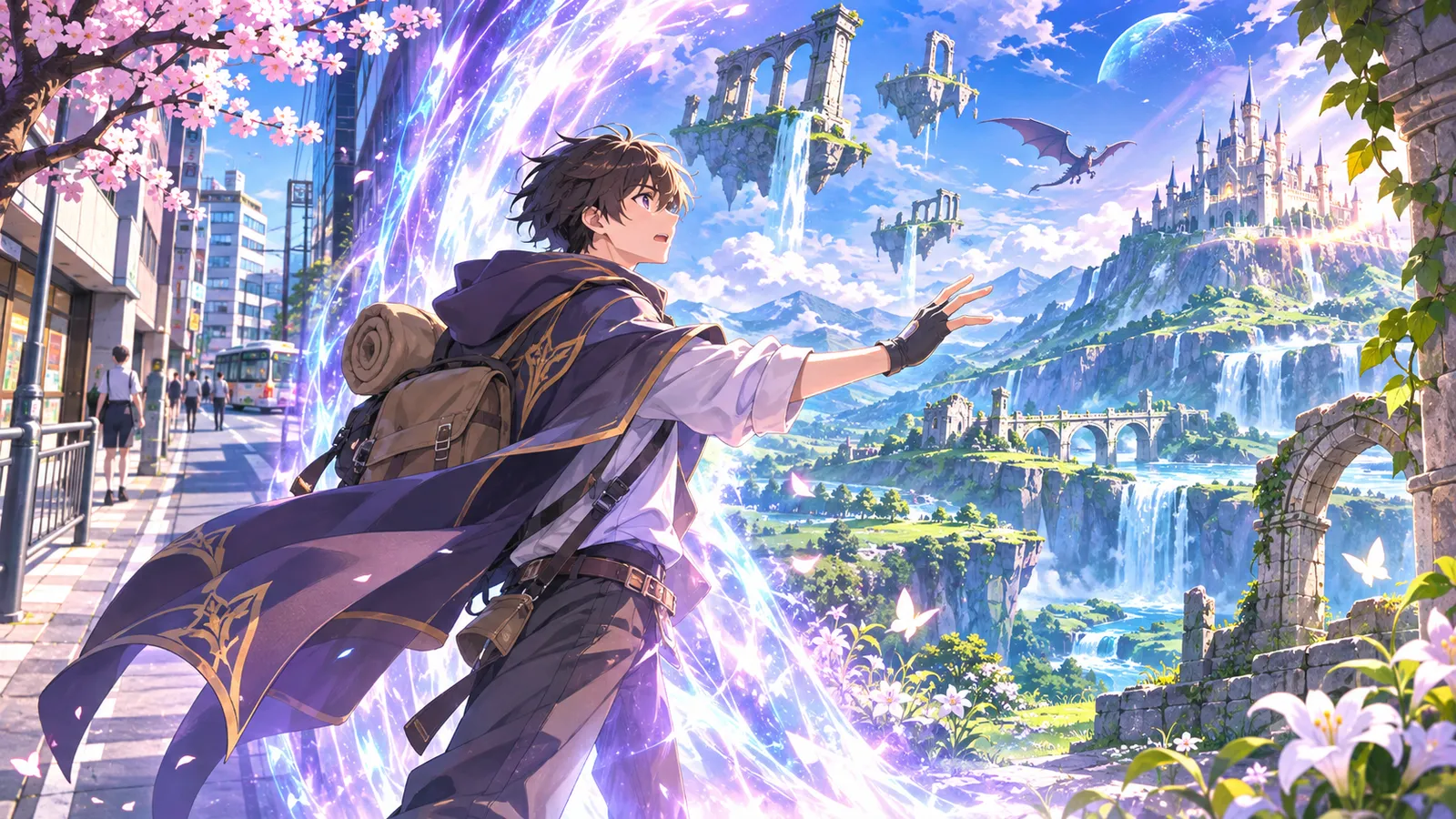
Imagine waking up tomorrow in a kingdom where magic is real, dragons roam the countryside, and your ordinary life has been replaced by an adventure you never asked for. Maybe you're a chosen hero. Maybe you're a low-level adventurer. Or maybe, for reasons nobody can adequately explain, you've been reincarnated as a slime.
Welcome to isekai anime, one of the most popular and versatile genres in Japanese animation. Although modern isekai has a reputation for overpowered protagonists and RPG-style fantasy worlds, its roots stretch back decades—and its best stories do far more than offer an escape from reality.
So what does isekai actually mean? Where did the genre come from? And which shows should you watch if you're curious? Here's everything you need to know.
What Does Isekai Mean in Anime?
Isekai (異世界) is a Japanese word meaning “another world” or “different world.” In anime, manga, and light novels, it describes stories in which a character crosses from one world into another, usually through transportation, summoning, or reincarnation.
A typical isekai begins with an ordinary person leaving the world they know and entering an unfamiliar one. That new world might contain swords and sorcery, monsters, royal courts, game-like systems, or entirely different laws of reality. The protagonist must then learn how to survive—and figure out what kind of person they want to become.
Not every isekai involves death, and not every protagonist becomes unbelievably powerful. The defining feature is the transition between worlds, not any particular combat system or fantasy setting.
Think of it as anime's answer to portal fantasy: the tradition behind stories like Alice's Adventures in Wonderland and The Wonderful Wizard of Oz. The similarities are real, though isekai has evolved its own conventions and storytelling traditions.
How Does an Isekai Story Begin?
There are several familiar ways an anime character can end up in another world:
- Summoning: A kingdom, deity, or magical ritual pulls someone into another world, often to fulfill a prophecy or defeat a threat.
- Transportation: A character is suddenly moved to another reality through a portal, mysterious event, or unexplained phenomenon.
- Reincarnation: Someone dies and is reborn in a new world, potentially with their memories intact.
- Game-world immersion: A character enters or becomes trapped in a virtual environment. Whether this counts as strict isekai is debated, but these stories helped shape modern expectations.
That last category explains why the boundaries of isekai can get blurry. A fantasy anime about people who were born in a magical kingdom is usually not isekai. An anime about someone from modern Japan waking up in that kingdom usually is.
The Origins of Isekai: Before the Modern Boom
Isekai did not begin with Sword Art Online, and it certainly wasn't invented by the infamous “Truck-kun” meme. Stories about journeys into strange realms have existed for centuries, including the Japanese folktale of Urashima Tarō, in which a fisherman visits an extraordinary undersea palace.
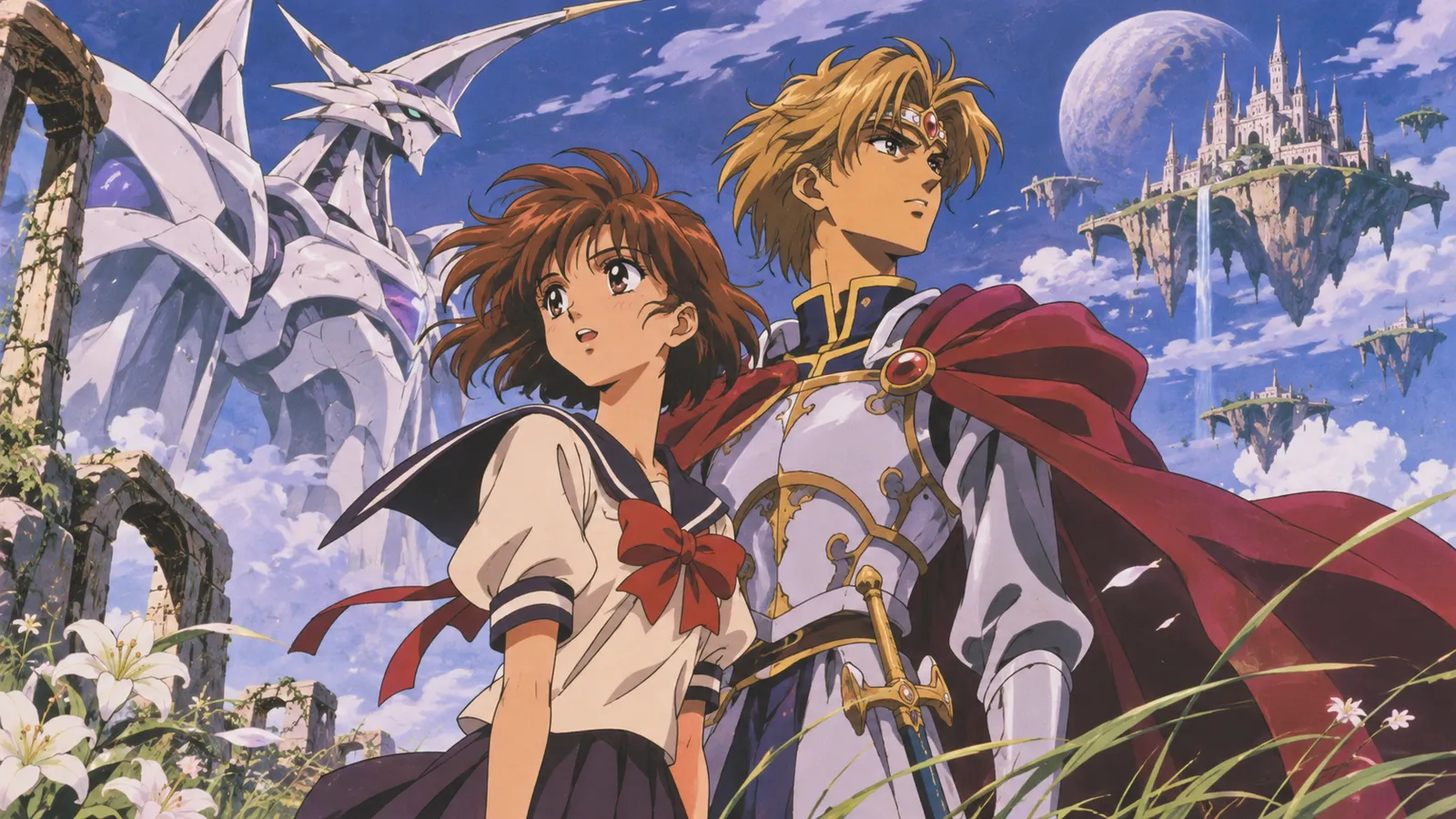
Among the influential modern Japanese precursors is Haruka Takachiho's 1979 novel Warrior from Another World. A major early anime example followed in 1983 with Aura Battler Dunbine, directed by Yoshiyuki Tomino. Its protagonist is drawn into Byston Well, where fantasy and giant robots collide.
The 1990s then brought a wave of beloved other-world adventures that looked very different from today's reincarnation-heavy formula:
- Magic Knight Rayearth (1994): Three schoolgirls are summoned to Cephiro and become central to a magical quest.
- Fushigi Yûgi (1995): A teenage girl is pulled into the world of a mysterious book, combining romance, political intrigue, and fantasy adventure.
- The Vision of Escaflowne (1996): A girl named Hitomi is transported to Gaea, a world of warring kingdoms and magnificent mecha.
These classics demonstrate something easy to forget: isekai was never exclusively about male heroes gaining cheat abilities. Romance, shōjo storytelling, political drama, and emotional growth have been part of its identity for decades.
How Isekai Became One of Anime's Biggest Genres
The genre's modern explosion owes a great deal to Japanese web novels and light novels. Online publishing platforms such as Shōsetsuka ni Narō, launched in 2004, made it easier for aspiring authors to share serialized stories and build audiences.
The Familiar of Zero helped popularize the summoned-to-another-world premise during the 2000s. In 2012, the anime adaptation of Sword Art Online brought game-world storytelling to an enormous audience. The show's classification as isekai remains disputed because its central setting is a virtual game rather than a separate physical reality, but its influence on the broader trend is difficult to ignore.
The 2010s then delivered landmark titles such as No Game No Life, KonoSuba, Re:Zero, and That Time I Got Reincarnated as a Slime. Rather than simply repeating the same adventure, these series experimented with comedy, trauma, strategy, and nonhuman protagonists.
Today, isekai can mean an action epic, a cozy fantasy about opening a shop, a political kingdom-building drama, or a comedy that makes fun of every genre cliché in sight.
The Different Types of Isekai Anime
Although the genre has overlapping categories, understanding a few major types makes finding your next show much easier.
Reincarnation Isekai
In reincarnation isekai, the protagonist dies and begins a second life in another world. They may retain memories of their previous existence, giving them an unusual perspective on their new circumstances.
Examples include Mushoku Tensei: Jobless Reincarnation, That Time I Got Reincarnated as a Slime, and The Saga of Tanya the Evil.
Summoning and Portal Isekai
These stories transport existing characters into another realm without necessarily killing or rebirthing them. Sometimes they are summoned as heroes; other times they arrive by accident.
Examples include The Rising of the Shield Hero, The Vision of Escaflowne, and The Twelve Kingdoms.
Reverse Isekai
Reverse isekai flips the premise: someone from a fantasy or supernatural world arrives in modern-day Earth. The humor and drama come from watching extraordinary visitors adapt to everyday life.
Examples include The Devil Is a Part-Timer! and Re:Creators.
Comedy and Parody Isekai
Not all heroes are destined for greatness. Comedy isekai often takes the familiar power-fantasy setup and makes the protagonist's new existence spectacularly inconvenient.
KonoSuba: God's Blessing on This Wonderful World! is a perfect example, replacing a flawless heroic party with a dysfunctional group of lovable disasters.
Dark and Psychological Isekai
Other series treat arriving in a new world as something genuinely frightening. Death, loss, unfamiliar social rules, and the inability to return home become serious sources of conflict.
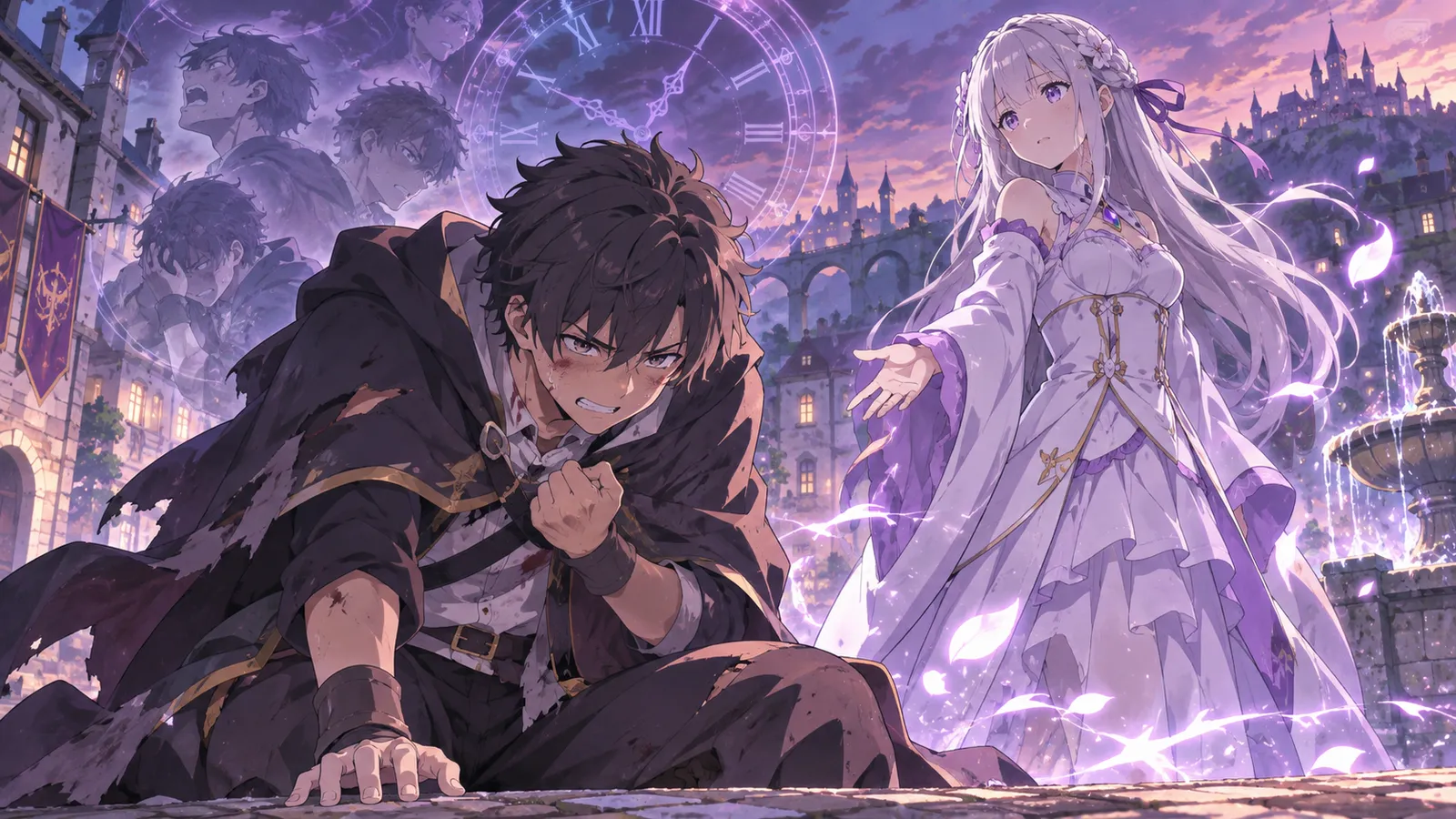
In Re:Zero − Starting Life in Another World, Subaru's unusual ability offers repeated chances to change events—but at a devastating personal cost. The series is a reminder that an isekai protagonist doesn't have to feel powerful just because they possess a special ability.
Why Is Isekai Anime So Popular?
The premise offers a compelling mix of escapism, reinvention, and discovery. What if you could start over somewhere completely new? What if a skill that seemed useless in everyday life suddenly mattered? What if a world with impossible rules gave you a chance to make different choices?
Those questions are easy to understand even if you've never played an RPG or watched fantasy anime before.
The best isekai also makes worldbuilding approachable. Because the protagonist is often a newcomer, viewers learn alongside them: how magic works, why factions are fighting, which monsters are dangerous, and what the local culture values.
Of course, the genre has its recurring criticisms. Recycled medieval settings, invincible leads, generic villains, and excessively long titles can make some series feel interchangeable. But those conventions also give inventive creators something to subvert. Sometimes the most interesting isekai is the one that deliberately refuses to play by the rules.
10 Best Isekai Anime Examples to Watch
If you're wondering where to begin, these ten series showcase the genre's range—from foundational classics to contemporary favorites.
1. Re:Zero − Starting Life in Another World
Best for: Psychological drama, suspense, and emotional storytelling.
Subaru arrives in another world with an ability that lets him revisit events after dying. Instead of treating that power as an easy victory button, Re:Zero examines fear, failure, relationships, and the emotional cost of trying to save everyone. It's one of the genre's strongest examples of meaningful consequences.
2. That Time I Got Reincarnated as a Slime
Best for: Beginners, worldbuilding, and kingdom-building fantasy.
After being reincarnated as a slime named Rimuru, an ordinary man finds himself building friendships, alliances, and eventually an entire community. The appeal goes beyond battles: diplomacy, cooperation, and watching a world grow make this one of the most welcoming entry points into isekai.
3. KonoSuba: God's Blessing on This Wonderful World!
Best for: Comedy and fantasy parody.
Kazuma expects an exciting second life, but his adventuring companions are almost comically unreliable. KonoSuba celebrates the absurdity of fantasy RPG logic with sharp character comedy. It's especially funny if you're already familiar with standard isekai tropes, though newcomers can enjoy it too.
4. Mushoku Tensei: Jobless Reincarnation
Best for: Detailed fantasy worldbuilding and a long-form character journey.
A deeply flawed man is reborn in a world of magic and attempts to build a different life. The series is celebrated for its expansive fantasy setting and production quality, but viewers should know that its protagonist's sexual behavior and treatment of others can be uncomfortable and divisive.
5. The Vision of Escaflowne
Best for: Classic anime, romance, mecha, and sweeping adventure.
Hitomi travels to Gaea and becomes involved in a conflict that mixes prophecies, romance, mechanical knights, and political warfare. This 1996 classic remains a wonderful way to see how expansive isekai was before the modern web-novel boom.
6. The Twelve Kingdoms
Best for: Political fantasy and serious character development.
A schoolgirl is taken into a richly developed world inspired by East Asian mythology and political traditions. Unlike many modern power fantasies, The Twelve Kingdoms emphasizes responsibility, difficult choices, leadership, and growth.
7. Overlord
Best for: Dark fantasy and morally complicated protagonists.
A player remains in a game-like fantasy world as the overwhelmingly powerful undead ruler Ainz Ooal Gown. The twist is perspective: rather than following an ordinary underdog hero, the story often explores what it looks like when someone with terrifying power reshapes an entire world.
8. The Rising of the Shield Hero
Best for: Underdog adventures and party progression.
Summoned as one of four legendary heroes, Naofumi quickly discovers that his supposed heroic destiny comes with betrayal and hardship. Its emphasis on reputation, survival, and earning trust gives the opening premise a different flavor from standard wish fulfillment.
9. No Game No Life
Best for: Strategy, colorful visuals, and clever competition.
Two exceptionally skilled gamer siblings are summoned to a world where disputes are settled through games. Rather than overpowering opponents with swords, they rely on strategy, psychology, and understanding the rules. The anime is a fun demonstration that isekai doesn't require traditional combat to be entertaining.
10. Magic Knight Rayearth
Best for: Magical girls, 1990s anime, and classic portal fantasy.
Three students are summoned to the world of Cephiro, where friendship, magic, and a seemingly straightforward quest reveal deeper complications. Its blend of magical-girl storytelling and isekai adventure makes it an essential genre-history pick.
What Is the Best Isekai Anime for Beginners?
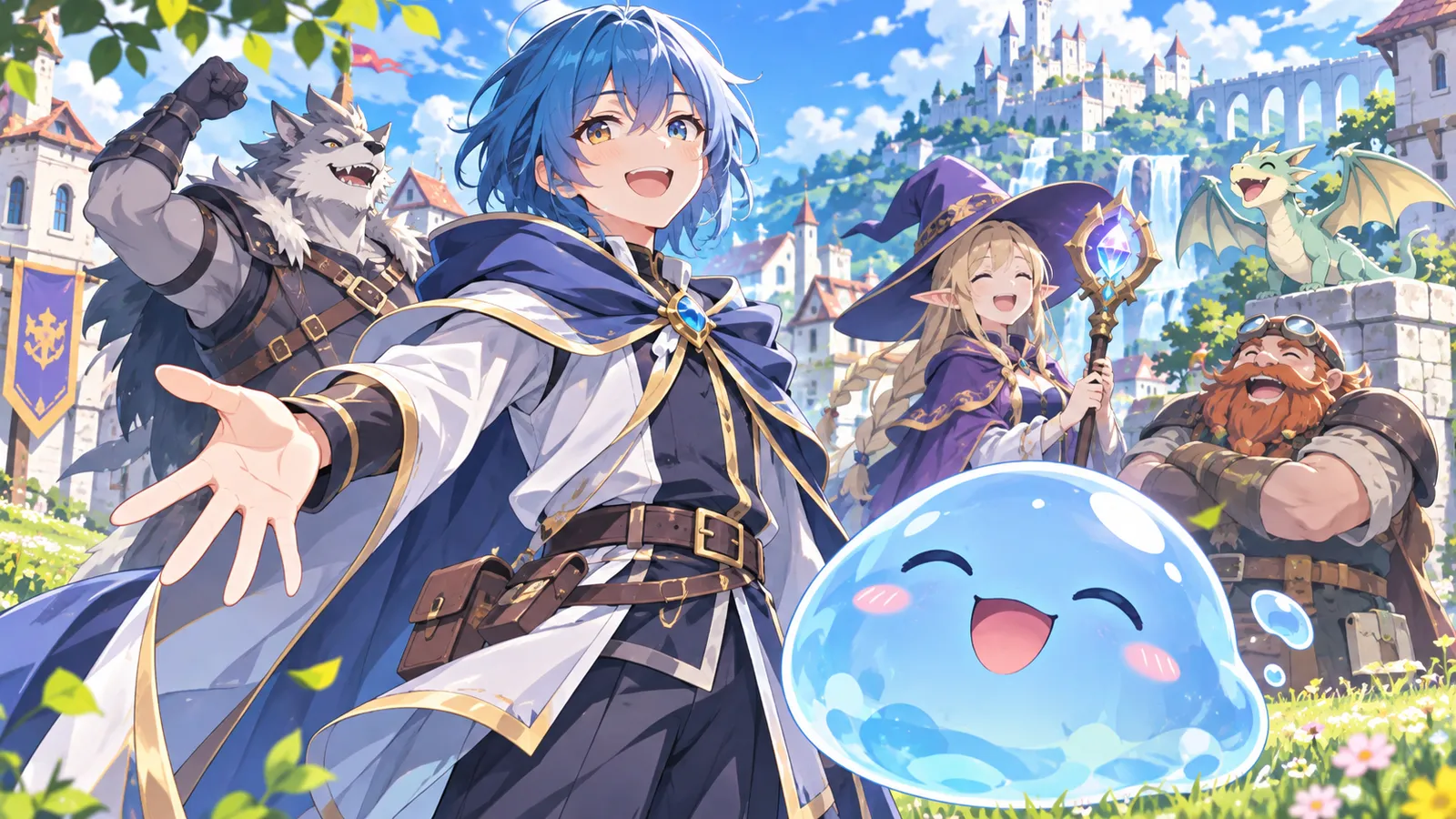
If you're completely new to the genre, start with That Time I Got Reincarnated as a Slime. Rimuru's journey introduces familiar isekai elements—reincarnation, abilities, fantasy races, and an evolving world—without making the story difficult to follow.
If you prefer darker stories, try Re:Zero. For laughs, choose KonoSuba. And if you're interested in the history of anime rather than just modern trends, The Vision of Escaflowne or Magic Knight Rayearth are excellent starting points.
There is no single correct viewing order for the isekai genre. Most of these titles are independent stories, so pick whichever premise sounds most appealing.
Frequently Asked Questions About Isekai Anime
Is Sword Art Online an isekai?
It depends on how strictly you define the genre. Sword Art Online involves characters trapped in a virtual game world, not necessarily transported to a separate physical reality. Some fans group it with isekai because it shares many conventions; others classify it more precisely as virtual-reality or game-world fiction. Either way, its impact on the modern isekai boom is significant.
Is every fantasy anime an isekai?
No. A fantasy series set entirely in a world where the characters were born is generally just fantasy. For instance, Frieren: Beyond Journey's End is fantasy, not isekai: its central characters are not newcomers transported from another world.
Does the main character have to die in an isekai?
No. Reincarnation through death is only one version of the premise. Other protagonists are summoned, transported through portals, or drawn into mysterious alternate realities while still alive.
What does “Truck-kun” mean?
Truck-kun is a fan nickname for the truck that sometimes causes a protagonist's death or transportation to another world. It's an affectionate joke about an overused storytelling device—not a required feature of isekai anime.
What is the difference between isekai and reincarnation anime?
Reincarnation means being reborn after death. Isekai means entering or beginning life in another world. A series can be both when someone dies in one world and is reborn in another. But reincarnation into the same world, without an other-world premise, is not necessarily isekai.
What was the first isekai anime?
There is no universally agreed first isekai anime, partly because the genre label became common long after some of its early examples aired. Aura Battler Dunbine (1983) is frequently cited as a major pioneering television series.
Final Thoughts: Isekai Is More Than Another Fantasy Trend
At its core, isekai is built around a simple, enduring question: What would happen if you were given a life in another world?
For some characters, that means becoming a hero. For others, it means confronting their mistakes, finding friends, building a home, or discovering that a magical world can be just as complicated as the one they left behind.
From Aura Battler Dunbine and Magic Knight Rayearth to Re:Zero and That Time I Got Reincarnated as a Slime, the genre has continually reinvented itself. Whether you want comedy, romance, action, political intrigue, or something darker, there's an isekai adventure waiting for you.
Which isekai anime introduced you to the genre—and which one do you think deserves more attention? Share your favorites in the comments on Otaku Scrolls.
Sources and Further Reading
- ORICON: Isekai Anime Explained — history, early works, and genre evolution.
- Journal of Anime and Manga Studies (Volume 2) — academic discussion of other-world fiction and modern isekai classifications.